I’ve always been fascinated by the relentless pursuit of performance in software. It’s a game of optimization, a constant dance between elegance and efficiency. Lately, I’ve been diving deep into two concepts that feel like they’re at the heart of this pursuit: streams and parallelism. They’re not new, but their convergence is creating a new paradigm for building fast, scalable applications. This is my attempt to untangle the threads of these two powerful ideas and share what I’ve learned.
The Allure of Streams: A Functional Journey
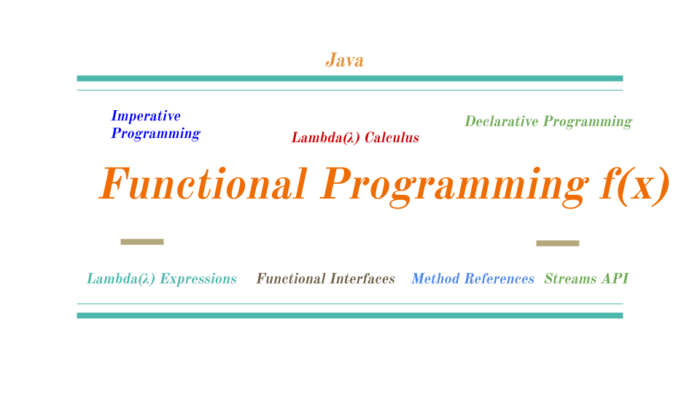
My first real encounter with streams was in Java 8. It was a revelation. The idea of treating a collection as a flow of data, processing it with a series of transformations, was a breath of fresh air. It felt more like describing what I wanted to do, rather than how to do it. It was functional programming, but in a language I already knew.
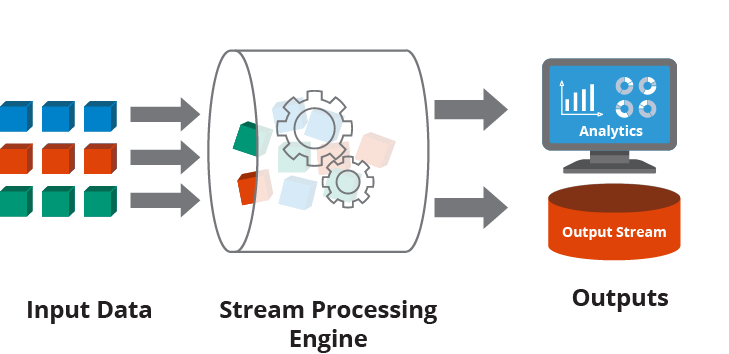
The beauty of streams lies in their declarative nature. You can chain operations like map, filter, and reduce to create a pipeline of transformations. It’s elegant, it’s readable, and it’s powerful. Here’s a simple example of processing a list of numbers:
List<Integer> numbers = Arrays.asList(1, 2, 3, 4, 5, 6, 7, 8, 9, 10);

int sumOfEvenNumbers = numbers.stream()
    .filter(n -> n % 2 == 0) // Filter even numbers
    .mapToInt(n -> n * 2)     // Double each even number
    .sum();                   // Sum the results
This code is a demonstration to the power of the Streams API. It’s a clear, concise statement of intent. And the best part? It’s easily parallelizable.
Parallelism: The Multi-Core Reality
Parallelism is the art of doing many things at once. In the modern world of multi-core processors, it’s no longer a luxury, but a necessity. But parallelism is a double-edged sword. It can give you a massive performance boost, but it can also introduce a world of complexity.
It’s important to distinguish parallelism from concurrency. Concurrency is about managing access to shared resources, while parallelism is about executing tasks simultaneously. An application can be concurrent without being parallel, but parallelism is a powerful tool for achieving high levels of concurrency.
Parallel Architectures: A Brief Tour
There are several models of parallel computing, each with its own strengths and weaknesses. The most common are:
-
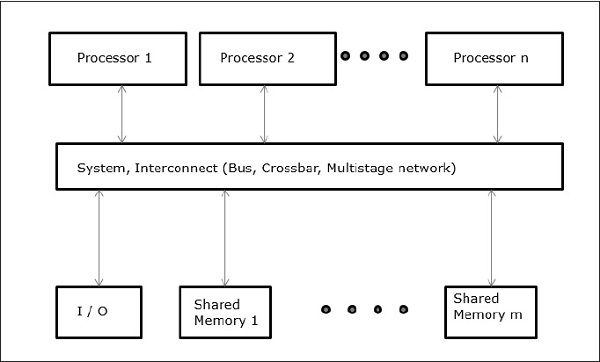
Shared-Memory Architecture: Multiple processors share a common memory space. This is simple to program, but it requires careful synchronization to avoid data races.
-
Distributed-Memory Architecture: Each processor has its own private memory, and communication happens through message passing. This is highly scalable, but it’s more complex to program.
-
Hybrid Architecture: A combination of the two, often used in high-performance computing clusters.
The Intersection: Where Streams Meet Parallelism
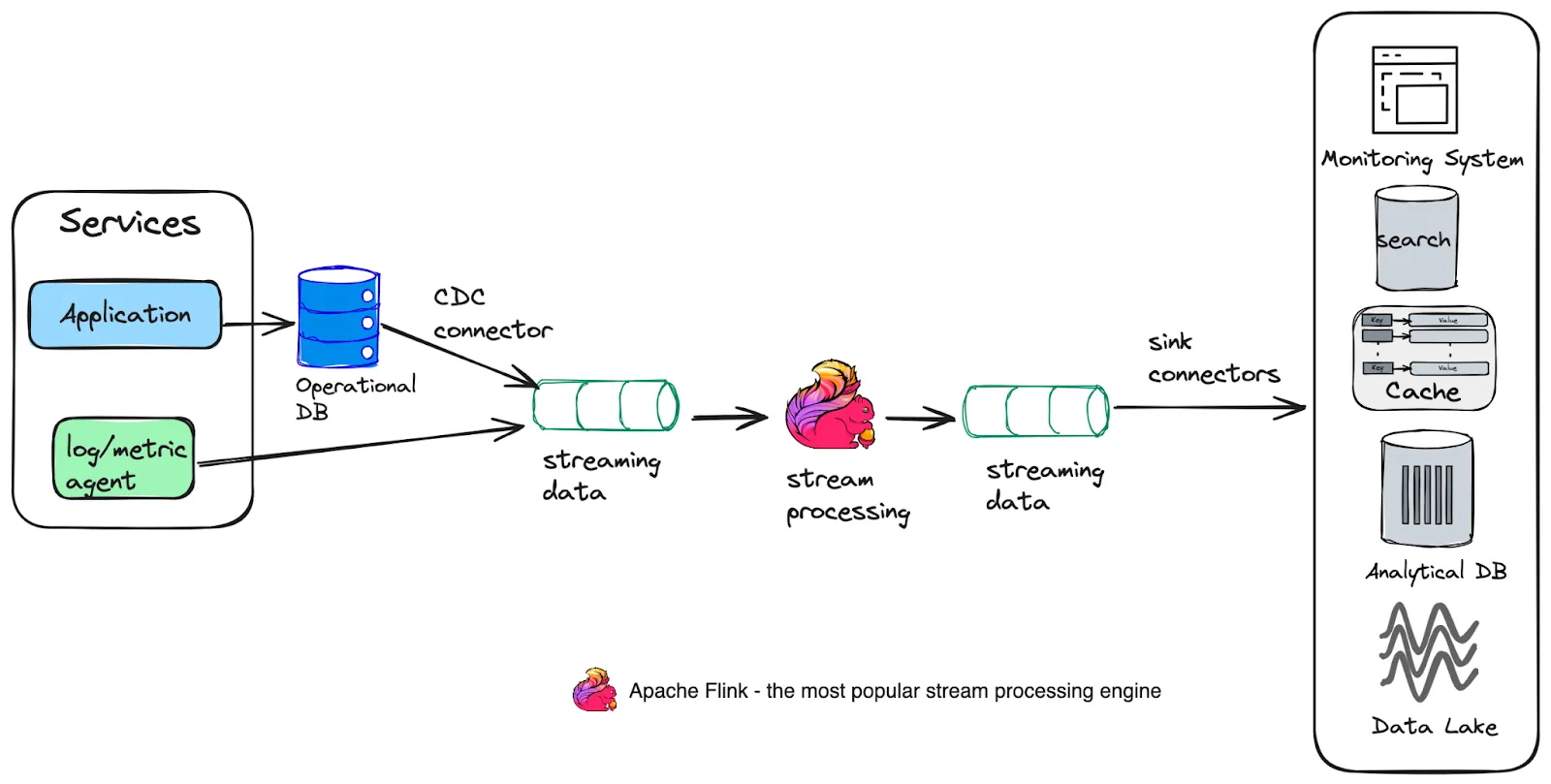
The real magic happens when you combine streams and parallelism. The Java Streams API makes it incredibly easy to parallelize stream operations with a single method call: parallelStream(). It’s almost too easy. But is it always the right choice?
I was curious, so I dug into a performance analysis of parallel Java streams [1]. The results were eye-opening:
Sequential stream is performing better with growing resources up to 4 threads. Parallel stream gained more speed up to 6–8 threads, later on it was on the same level but still not better then sequential stream. The concurrent collector used with the parallel stream only made the whole operation slower.
This was a sobering reminder that parallel streams are not a silver bullet. The overhead of thread coordination can sometimes outweigh the benefits of parallel execution. It’s a classic case of premature optimization.
My Take on Parallel Streams
So, when should you use a parallel stream? Here’s what I’ve learned:
- Large datasets: The benefits of parallelism are more pronounced with larger datasets.
- CPU-bound operations: Parallel streams are most effective for computationally intensive tasks.
- Independent operations: The operations on the stream elements should be independent of each other.
And when should you avoid them?
- Small datasets: The overhead of thread coordination can make parallel streams slower.
- I/O-bound operations: Parallel streams are not well-suited for I/O-bound tasks.
- Shared mutable state: If you have shared mutable state, you’ll need to use synchronization, which can degrade performance.
Conclusion: The Path Forward
Streams and parallelism are two powerful tools in the modern developer’s toolkit. They offer a path to building fast, scalable, and elegant applications. But they are not without their challenges. It’s a journey of constant learning, of understanding the trade-offs, and of finding the right balance between performance and complexity.
As we continue to push the boundaries of what’s possible in software, I believe that the convergence of streams and parallelism will play a central role. It’s an exciting time to be a developer, and I’m looking forward to seeing where this journey takes us.